
STRATEGIC PARTNERSHIP PROPOSAL
A Program for Developing Scientific Research and Innovation Capabilities: K-12 CREST AWARDS & "SSEN STEM Mentor" Training for Teachers
To: The Esteemed Board of Directors
INTRODUCTION & RATIONALE
1. OPENING LETTER
First and foremost, STEAMAX would like to extend our warmest greetings and best wishes for success to the Board of Directors of your esteemed institution. We highly appreciate your school's reputation and commitment to effectively implementing an educational program that always aims for the comprehensive development of students' competencies and qualities.
Based on a deep understanding of your school's "student-centered" educational philosophy and its alignment with our direction, STEAMAX sees a profound potential for synergy between our two organizations through the core values of the CREST Awards—a prestigious science and technology award founded by the British Science Association.
Therefore, we respectfully submit this proposal with the desire to collaborate on implementing a comprehensive and seamless CREST Awards pathway for students from elementary to high school, while also developing the capabilities of your teaching staff.
2. PARTNERSHIP RATIONALE
KEY VALUES
For Students
-
✔
Ignite Scientific Passion: Nurture curiosity and a love for discovery from an early age.
-
✔
Develop 21st-Century Skills: Enhance critical thinking, research methods, and project management.
-
✔
Build a Competitive Portfolio: Gain a significant advantage for university applications and prestigious scholarships.
For the School
-
✔
Enhance Leadership Position: Affirm a pioneering role in international-standard STEAM education.
-
✔
Develop Staff Capacity: The "SSEN STEM Mentor" program builds a core team of highly skilled teachers.
-
✔
Establish an Academic Hallmark: Increase appeal and prestige to prospective students and parents.
PROGRAM ECOSYSTEM
Bilingual STEM Modules
These are weekly STEM/STEAM classes designed to help students develop foundational STEM skills, closely following the national curriculum or international programs the school is implementing.
Learning Outcomes:
- Familiarity with scientific and engineering processes.
- Reinforcement of scientific and technical knowledge through practical STEM challenges.
- Development of problem-solving skills like a scientist and engineer.
CREST Awards Program
A seamless competency development pathway, from sparking curiosity to in-depth research, internationally recognized by the British Science Association.
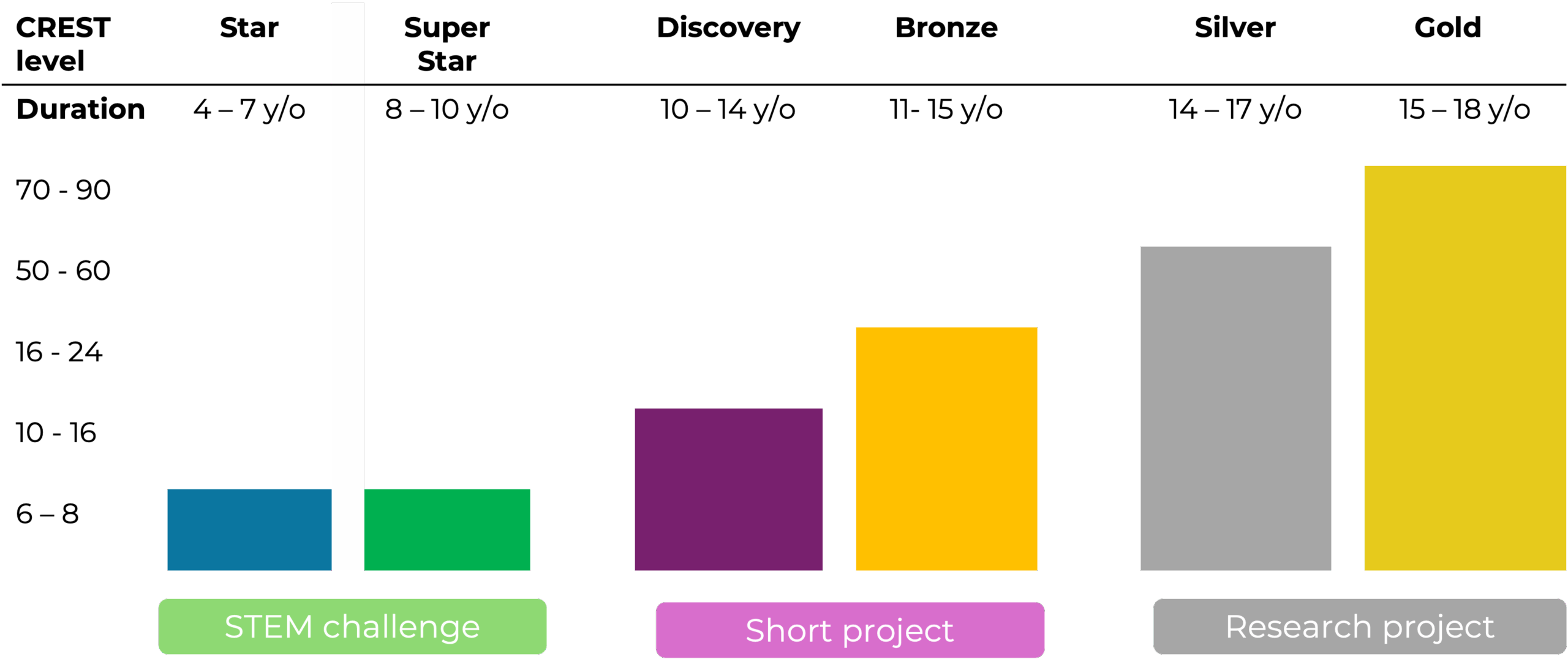
SuperStar (Grades 1-4): Complete 8 fun science challenges, practicing observation and following instructions.
Discovery (Grades 4-7): Undertake a 5-hour group science project, learning problem-solving and teamwork.
Bronze (Grades 8-11): Independently plan a 20-hour project, actively seeking and analyzing information.
Silver & Gold (Grades 10-12): Manage long-term projects (60-80+ hours), demonstrating the capabilities of a true researcher.
Science Research and Innovation Class
The "Journey with Future Innovators" program equips students with scientific research and engineering design skills, nurturing the mindset of a true scientist, engineer, and technologist, preparing them for advanced science and engineering projects and competitions.
Development Objectives
- Foster critical and creative thinking skills.
- Build a solid foundation in professional scientific research methods.
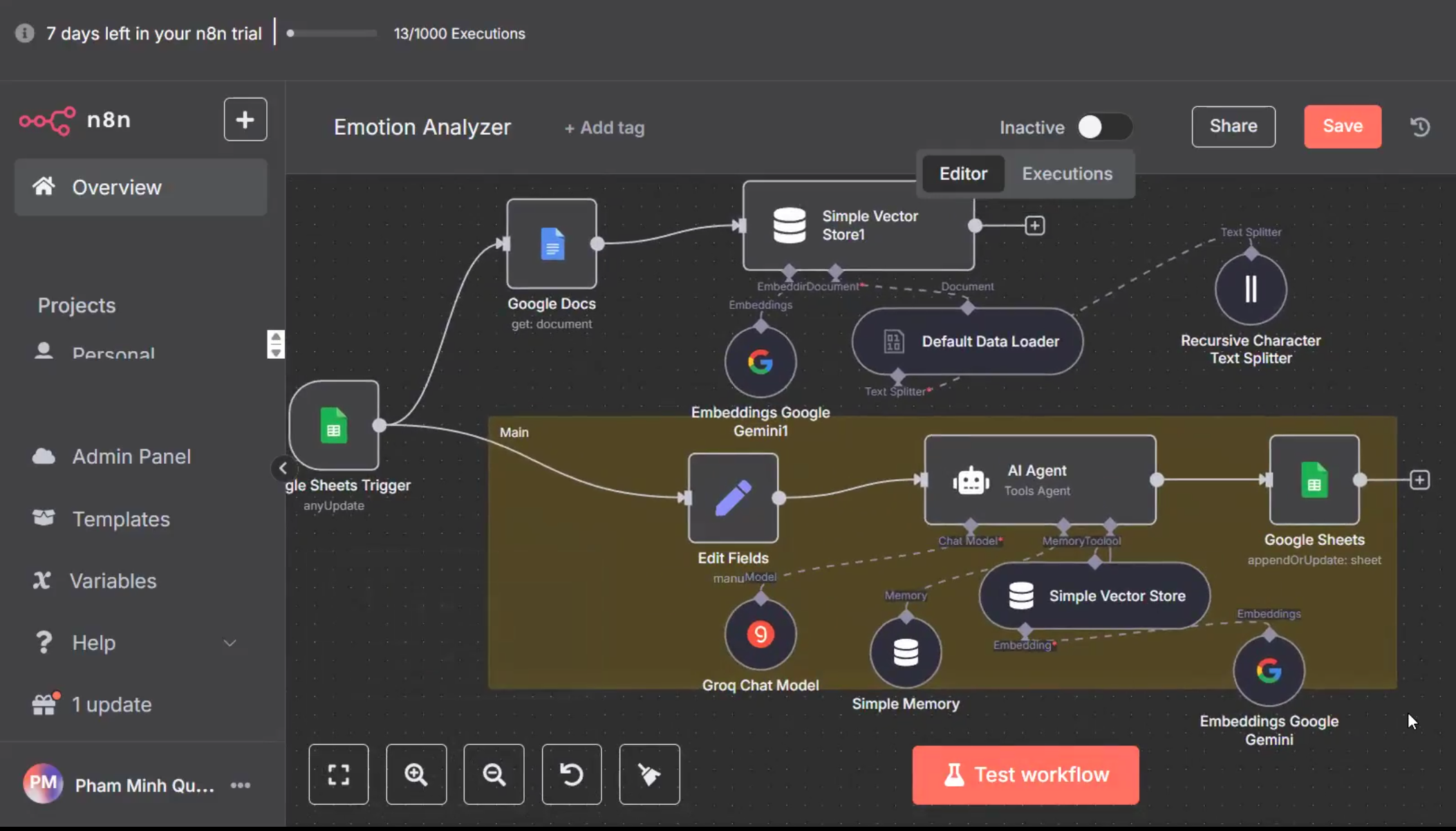
- Guide the proficient use of scientific tools and AI applications.
Learning Methods
- Experiential Learning: Answering scientific questions through structured research steps.
- Design Thinking: Identifying problems, building creative solutions, and making logical decisions.
- Collaboration and Teamwork: Encouraging cooperation and idea sharing.
A Solid 4-Stage Roadmap
Scientific Research Toolkit (12 hours)
Build a foundation in research methods: from literature search, experimental design, and data analysis to reporting skills.
Design Thinking & Problem Solving (12 hours)
Master the 5-step creative process of Design Thinking to turn breakthrough ideas into practical solutions.
Engage in Real-World Projects (60-90 hours)
Apply knowledge to conduct a research topic or create a product, aiming for competitions.
Practical Experience (Flexible)
Visit and learn at universities, businesses, and research institutes for networking and career orientation.
Field Trip Programs
Practical experience programs at leading STEM universities, businesses, and institutions.
Example: "Creating the Future: Technology, Entrepreneurship & Sustainability"
Target Audience: High School Students.
Objectives: In-depth career guidance, understanding the startup ecosystem and circular economy, and inspiring learning.
- Morning: Visit the Fab Lab and Industry 4.0 Center at Eastern International University (EIU).
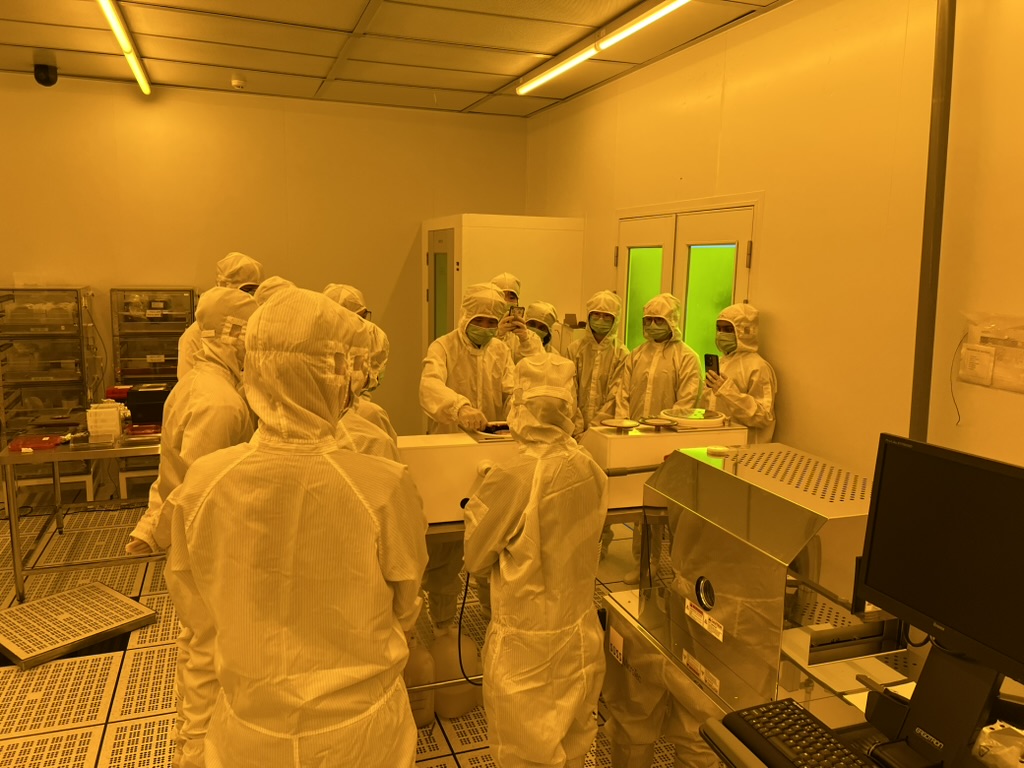
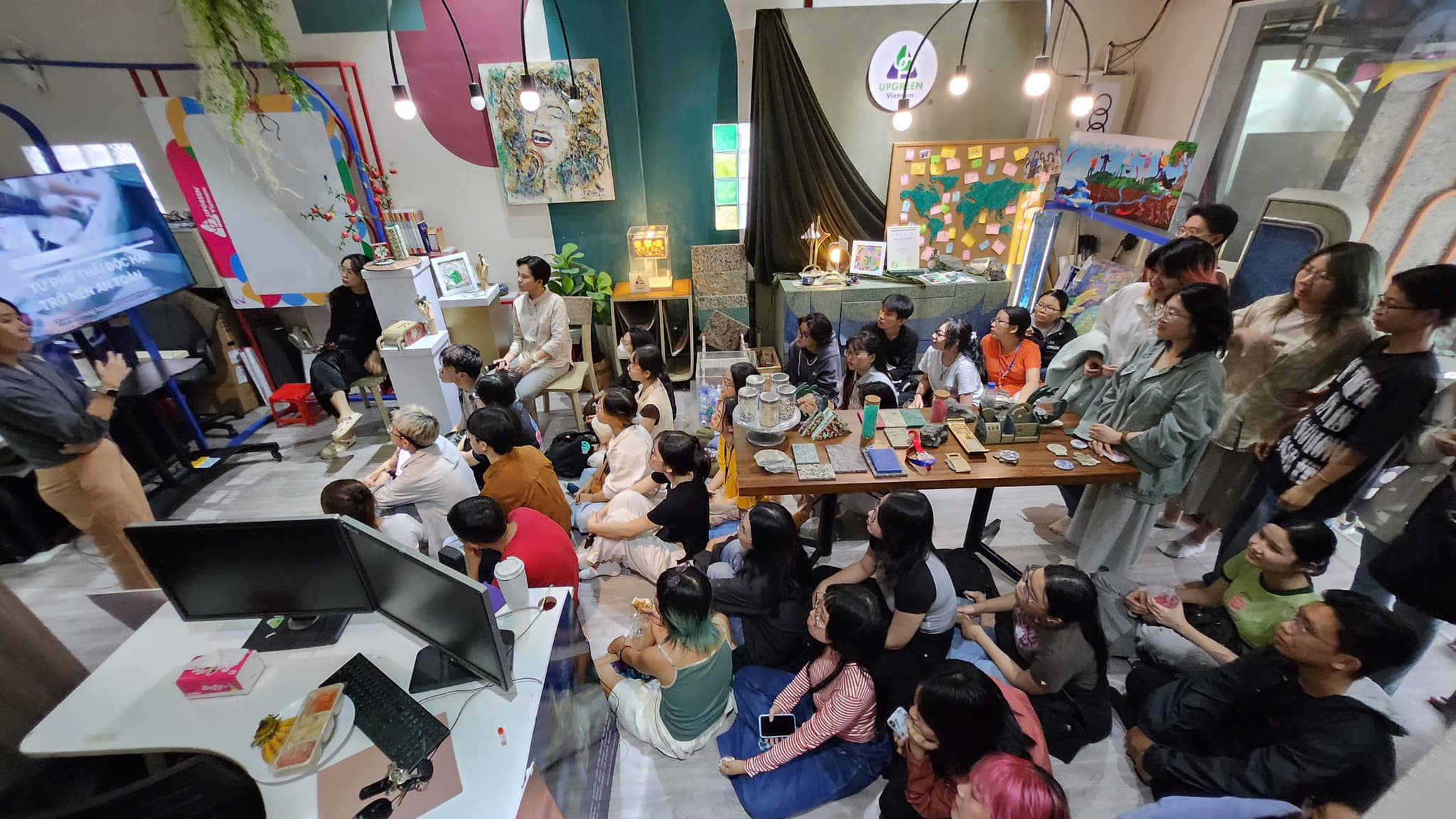
- Afternoon: Experience the research environment at SHTP Labs and join a workshop on circular economy at UpGreen.
SSEN STEM Mentor
Building teacher capacity is key to the success and sustainability of the entire pathway.
Objectives
- Equip with project mentoring methodologies and skills.
- Understand CREST assessment criteria at all levels.
- Award official "SSEN STEM Mentor" certification.
- Build a strong community of STEAM mentors.
Training Content
- Overview of CREST philosophy and levels.
- The role of a mentor – The art of asking questions.
- Managing science projects in a school setting.
- Constructive feedback and assessment.
- Safety and ethics in research.
Find out more:
CROSS-LEVEL COMPETENCY DEVELOPMENT ROADMAP
3-Stage Roadmap
A comprehensive, personalized development path based on competency, ensuring a smooth transition of knowledge across grade levels.
STAGE 1: SPARK & EXPLORE
Students participate in bilingual STEM classes, workshops, or field trips to develop their STEM skills and gain perspectives on various STEM careers.
STAGE 2: DEVELOP AUTONOMY
Students begin to engage in projects and take on the CREST program challenges at different levels: SuperStar (for primary school), Discovery (for early middle school), and Bronze (for late middle school/early high school).
STAGE 3: REACH THE PINNACLE
Students participate in research projects with the opportunity to earn high-level CREST certifications like Silver and Gold. They will also gain the confidence to compete in national and international science and engineering fairs. At this stage, students can also join Science Research and Innovation programs to prepare for advanced CREST projects and competitions.
ROADMAP & IMPLEMENTATION MODEL
Overall Competency Development Roadmap
Below are detailed diagrams illustrating the learning pathway, module schedules, and activities planned throughout the school year to ensure a continuous and progressive development for students.
STEM Module Schedule (By School Year)
Overall Competency Development CREST Roadmap (Grades 3-12)
Activity Diagram for the School Year
Partnership & Implementation Model
STEAMAX's Role
- Provide curriculum framework, teachers, and materials.
- Organize "SSEN STEM Mentor" teacher training.
- Assist students in obtaining international certifications.
- Provide expert mentors for high-level projects.
- Co-organize science events.
The School's Role
- Integrate the program into the activity schedule.
- Appoint a core team of teachers for training.
- Provide learning spaces.
- Collaborate on communication with parents and students.
- Appoint a Program Coordinator.
Proposed Implementation Plan
Launch (Q4/2025):
Both parties design the collaboration plan and hold an introductory workshop.
Pilot (Semester 2, 2025-2026):
Organize a "SSEN STEM Mentor" training course, implement Thematic STEM classes, and establish the first CREST SuperStar & Bronze clubs.
Expansion (School Year 2026-2027):
Expand to all grade levels, implement Discovery, Silver & Gold projects, and organize a "Cross-Level Innovation Day".
FINANCIAL PROPOSAL
The financial model is designed to be flexible to ensure benefits for students and program sustainability. Details will be discussed in a direct meeting to best suit your school's operating model.
| Program | Proposed Fee (VND/student) | Notes |
|---|---|---|
| Bilingual STEM Class (All grades) | 100,000 / session | Per session (90 minutes) |
| CREST SuperStar (Elementary) | 2,000,000 | These costs include operational fees, materials, teachers, and CREST submission fees. Costs may vary depending on the school's support (experts, facilities). |
| CREST Discovery (Elementary/Middle) | 2,900,000 | |
| CREST Bronze (Middle/High School) | 3,500,000 | |
| CREST Silver/Gold Project (High School - Elite Team) | 30,000,000 |
DETAILED APPENDICES
1C: CREST Competency Development Pathway
| Level | Stage | CREST Level | Key Objectives & Activities | Outcomes |
|---|---|---|---|---|
| Elementary (G1-5) | Sparking & Familiarizing | SuperStar & Discovery | Short challenges (1-5 hours), group work, learning basic scientific processes. | Achieve SuperStar/Discovery certificates, fostering curiosity and teamwork skills. |
| Middle School (G6-9) | Developing Autonomy | Discovery & Bronze | Projects (5-20 hours), students plan independently, analyze basic data. | Achieve Bronze certificate, develop foundational S&E fair topics, ready for in-depth research. |
| High School (G10-12) | In-depth & Advanced | Silver & Gold | In-depth projects (60-80+ hours), creating new knowledge or practical solutions. | Achieve Silver/Gold certificates, a strong academic credential, ready for international S&E fairs. |
Field trip programs are opportunities for students to learn and experience practical STEM at facilities, universities, and businesses.
Program: "Creating the Future: Technology, Entrepreneurship & Sustainable Development"
Target Audience: High School Students of Your Esteemed School.
Main Objectives:
- In-depth Career Guidance: Provide a realistic view of high-tech engineering and technology industries.
- Economic Analysis: Help students understand the startup ecosystem, innovation, and circular economy models.
- Inspiration: Ignite motivation for learning, creative thinking, and a sense of responsibility.
Summary Schedule (1 day):
Morning: Education & Industry 4.0
Visit the Fab Lab, Industry 4.0 Center at Eastern International University (EIU) and learn about the industry-linked engineering training model.
Afternoon: Research & Sustainable Economy
Experience the research environment at the Nano Technology Research Center (SHTP Labs). Participate in a workshop on circular economy and a talk with the founder at UpGreen Social Enterprise.
Expected Outcome: Students will gain comprehensive knowledge of technology professions, understand concepts of entrepreneurship and sustainable development, and have a stronger basis for orienting their future studies and careers.
To ensure the success and sustainability of the entire cross-level roadmap, building the capacity of the teaching staff is crucial. STEAMAX provides an in-depth training program to equip teachers with the necessary skills.
Program Objectives
- ✔ Equip teachers with the methodology and skills to mentor student research projects.
- ✔ Help teachers understand the CREST assessment criteria at all levels (SuperStar - Gold).
- ✔ Grant official "SSEN STEM Mentor" certification, recognizing teachers' professional competence.
- ✔ Build a strong community of STEAM teacher-mentors within the school.
Training Content
- Module 1: Overview of the CREST philosophy and levels.
- Module 2: The role of a mentor – The art of asking questions.
- Module 3: Skills for managing science projects in a school environment.
- Module 4: Providing constructive assessment and feedback.
- Module 5: Safety, ethics in research, and support tools.
A STEM competency portfolio is not just a collection of final products, but a vivid story of a student's journey of discovery, learning, and growth. Below are the core components and a transparent assessment process.
1. Structure of a Comprehensive STEM Competency Portfolio
1.1. CREST Award Certification
An official diploma from the British Science Association, recognizing the student's effort and achievement.
1.4. Multimedia Evidence
Visual materials such as images, videos, physical models, or prototypes.
1.2. Detailed Project Report
The main academic product, which can be a scientific essay or a creative product (website, app, video...).
1.5. Assessment and Feedback
A summary of multi-faceted feedback: evaluation from the mentor, peer feedback, and the student's self-assessment.
1.3. Project Logbook
The "heart" of the portfolio, showcasing the thought process: ideas, plans, raw data, failures & lessons learned, and reflections.
2. Transparent and Continuous Assessment Process
2.1. Pre-Project Phase: Setting Clear Expectations
Publicize Criteria: Share and explain all rubrics (assessment criteria) with students from the beginning so they understand expectations and can self-regulate their learning process.
2.2. During-Project Phase: Implementation & Formative Assessment
Continuous Evidence Collection: Teachers observe and provide timely feedback. Students are responsible for regularly updating their Digital Competency Portfolio.
2.3. Post-Project Phase: Summative Assessment
Comprehensive Evaluation: Use rubrics to assess the final product and portfolio. Invite external experts as judges to provide objective feedback and networking opportunities for students.
5A & 5B: CREST Topics
Elementary: Fun challenges like "A Hole in My Bucket," "Fascinating Fingerprints," "Community Garden."
Middle & High School: More in-depth projects on Green Energy, Future Fabrics, AI Applications, Biomedical Science, etc.
5C: Development Pathways in the STEM Club
By joining the STEM Club, students build a solid foundation from which they can choose various specialized paths to develop their individual talents.
Participation method: Voluntary student registration. Parents may pay a separate fee to the school for their child to join the club.
STARTING POINT: JOIN THE STEM CLUB
Students begin their journey by participating in general club activities, getting acquainted with project-based learning and teamwork.
Path 1: CREST Awards
Focus on carrying out projects according to the standards of the British Science Association to achieve international certifications (Bronze, Silver), building an academic portfolio.
Path 2: In-depth Research
Participate in scientific research projects with experts and university lecturers, aiming to create new knowledge or breakthrough solutions.
Path 3: Science Fair Competition
Join elite teams for specialized training to conquer national and international Science and Engineering Fairs.
FINAL OUTCOME
An impressive competency portfolio with international certifications, awards from competitions, and quality research projects, creating a significant advantage for university and scholarship applications.
6A: Skill Level Comparison Chart
Below is a summary comparison of skill criteria for the main development levels (Discovery, Bronze, Silver/Gold).
| Criteria | Discovery | Bronze | Silver / Gold |
|---|---|---|---|
| Problem Analysis | Break down problems into smaller parts, following existing guidelines. | Plan research, analyze problems at various scales and from multiple perspectives. | Position the problem in a larger context, identify unsolved aspects, and estimate complexity. |
| Information Gathering | Gather from reliable sources (web, books), perform basic reliability checks. | Gather from professional sources (scientific papers), compare and cite according to standards. | Classify, synthesize information, find original papers, and proactively contact experts. |
| Time & Resource Management | Basic management, propose material usage options for group projects. | High-level management, effective use of resources, design plans for multiple scenarios. | Develop negotiation skills for better resources, compare with other groups. |
| Scientific & Engineering Process | Understand and follow a predefined process, use basic measurement tools. | Find and set up appropriate experiments, can create new processes, practice in a lab setting. | Propose improvements to existing processes, specify requirements for lab conditions. |
| Idea Design | Present ideas as simple logical diagrams or physical models. | Provide clear scientific reasoning, analyze similarities/differences with existing ideas. | Ideas are insightful, up-to-date, ready to redefine the problem, and eliminate biases. |
The "STEM Talent Incubator" program is built on a unique "funnel" model, starting with general foundational knowledge and gradually delving into specialized branches, helping students discover their strengths, nurture their passions, and choose the most suitable development path to conquer science and engineering competitions.
STAGE 1: FOUNDATION - CORE THINKING & SKILLS
Equip students with an innovator's mindset and essential 21st-century skills.
Content: Design Thinking, Scientific Methodology, Communication & Presentation Skills, Project Management.
STAGE 2: SPECIALIZATION - INNOVATION LABS
Students choose 1 of 4 "Innovation Labs" to develop practical projects aimed at specific competitions.
- Scientific Researchers: Targeting competitions like ISEF, ICYS.
- Engineers & Inventors: Targeting competitions like ORC, NASA Space Apps Challenge.
- Tech Entrepreneurs: Targeting competitions like The Conrad Challenge, ICIA.
- Science Communicators: Targeting the ICIA competition.
STAGE 3: ACCELERATION - REACHING THE PINNACLE
Finalize projects and hone specialized skills for competitions with expert support.
Activities: In-depth Critiques, Mock Competitions, Portfolio & Profile Finalization, Project "Branding".
The "Journey with Future innovators" program equips students with scientific research and engineering design skills, nurturing the mindset of a true scientist, engineer, and technologist, preparing them for advanced science and engineering projects and competitions.
Development Objectives
- Foster critical and creative thinking skills.
- Build a solid foundation in professional scientific research methods.
- Guide the proficient use of scientific tools and AI applications.
Learning Methods
- Experiential Learning: Answering scientific questions through structured research steps.
- Design Thinking: Identifying problems, building creative solutions, and making logical decisions.
- Collaboration and Teamwork: Encouraging cooperation and idea sharing.
A Solid 4-Stage Roadmap
Scientific Research Toolkit (12 hours)
Build a foundation in research methods: from literature search, experimental design, and data analysis to reporting skills.
Design Thinking & Problem Solving (12 hours)
Master the 5-step creative process of Design Thinking to turn breakthrough ideas into practical solutions.
Engage in Real-World Projects (60-90 hours)
Apply knowledge to conduct a research topic or create a product, aiming for competitions.
Practical Experience (Flexible)
Visit and learn at universities, businesses, and research institutes for networking and career orientation.
Real photos from CREST Silver & Gold projects, showing students working in professional labs and the products and certificates they have achieved.
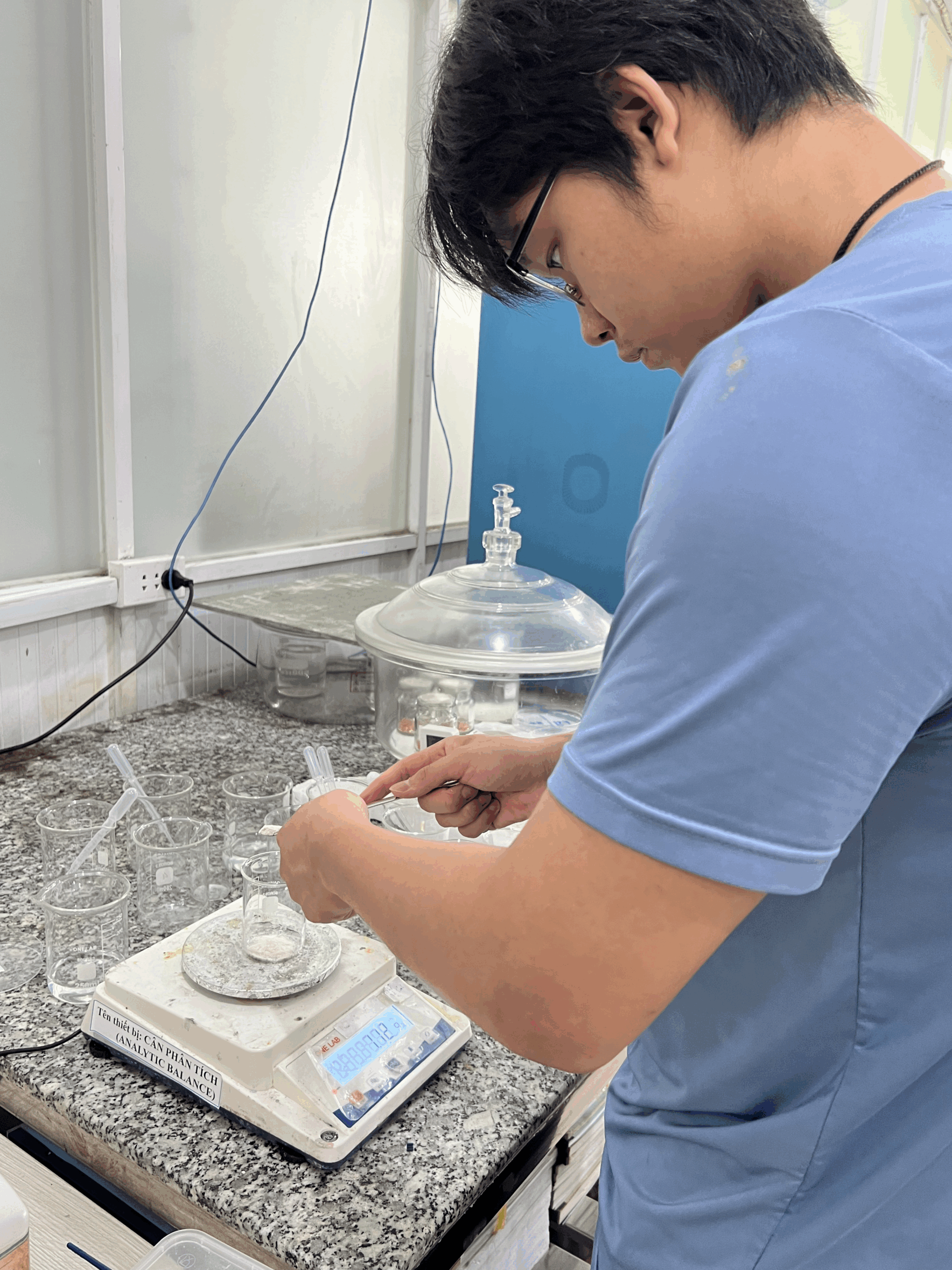


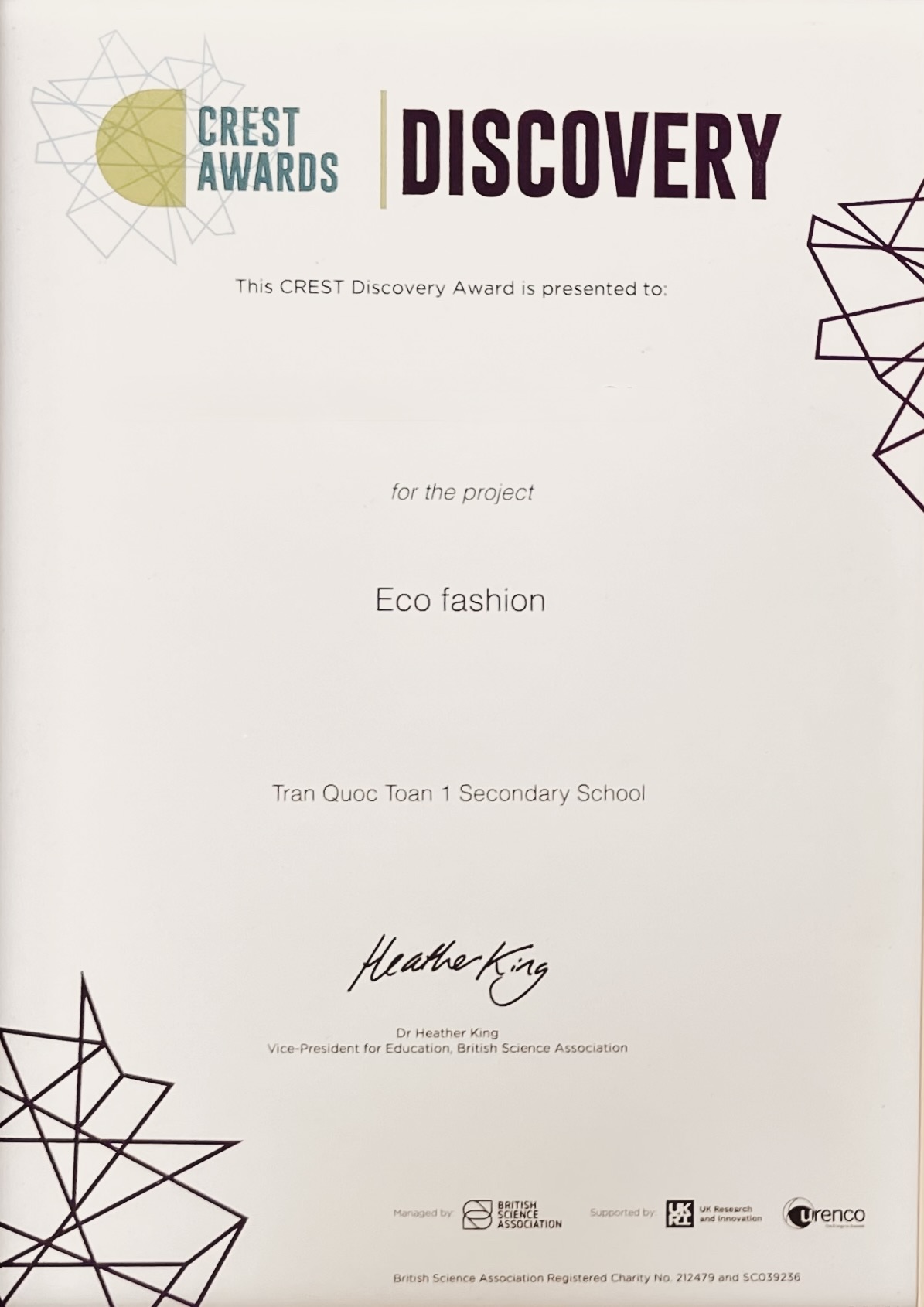
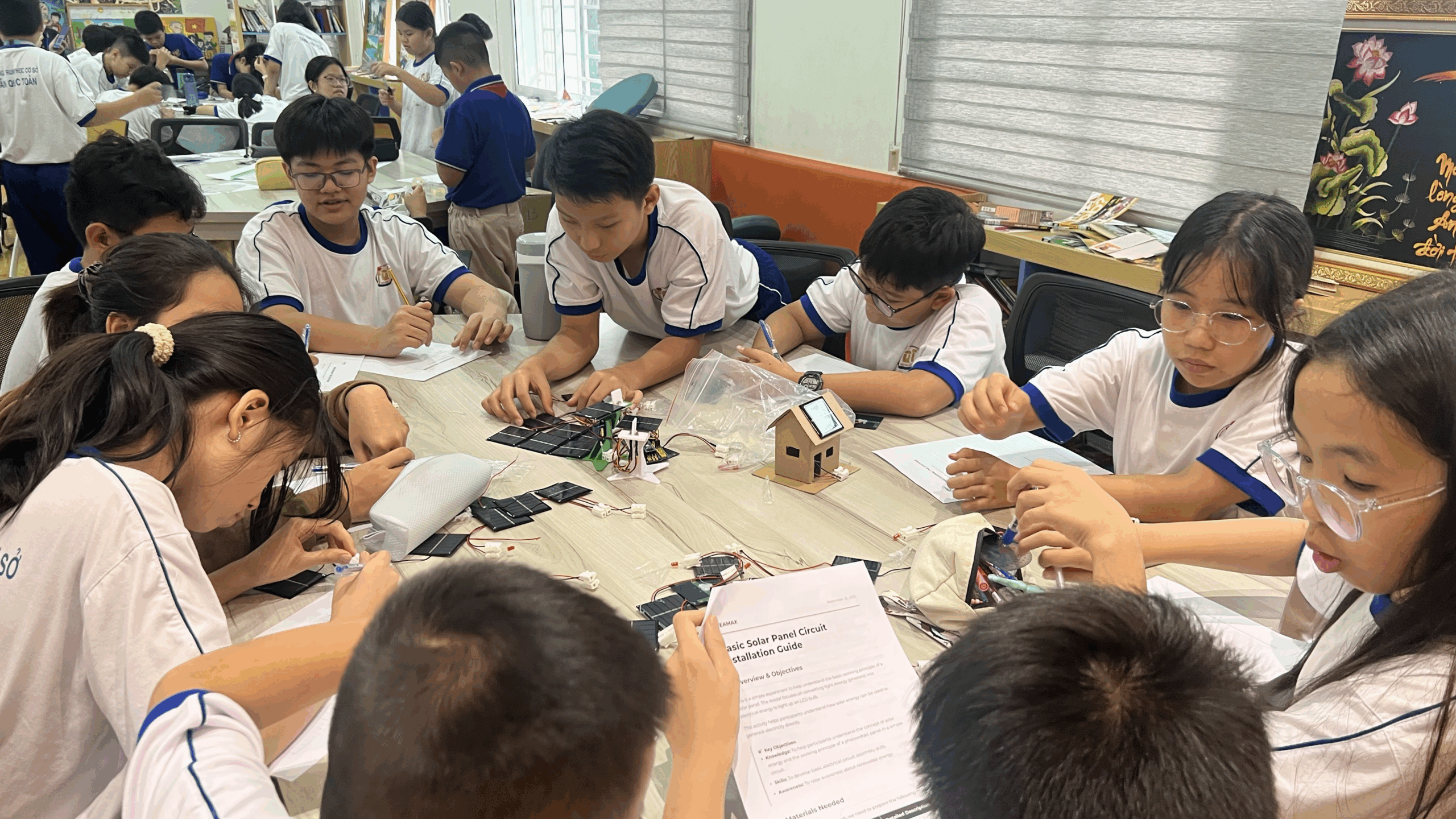
Illustrative images, a Discovery certificate, and a Discovery class at Tran Quoc Toan Middle School, one of the leading progressive integration schools in Ho Chi Minh City.
These are competitions where STEAMAX can support student participation.
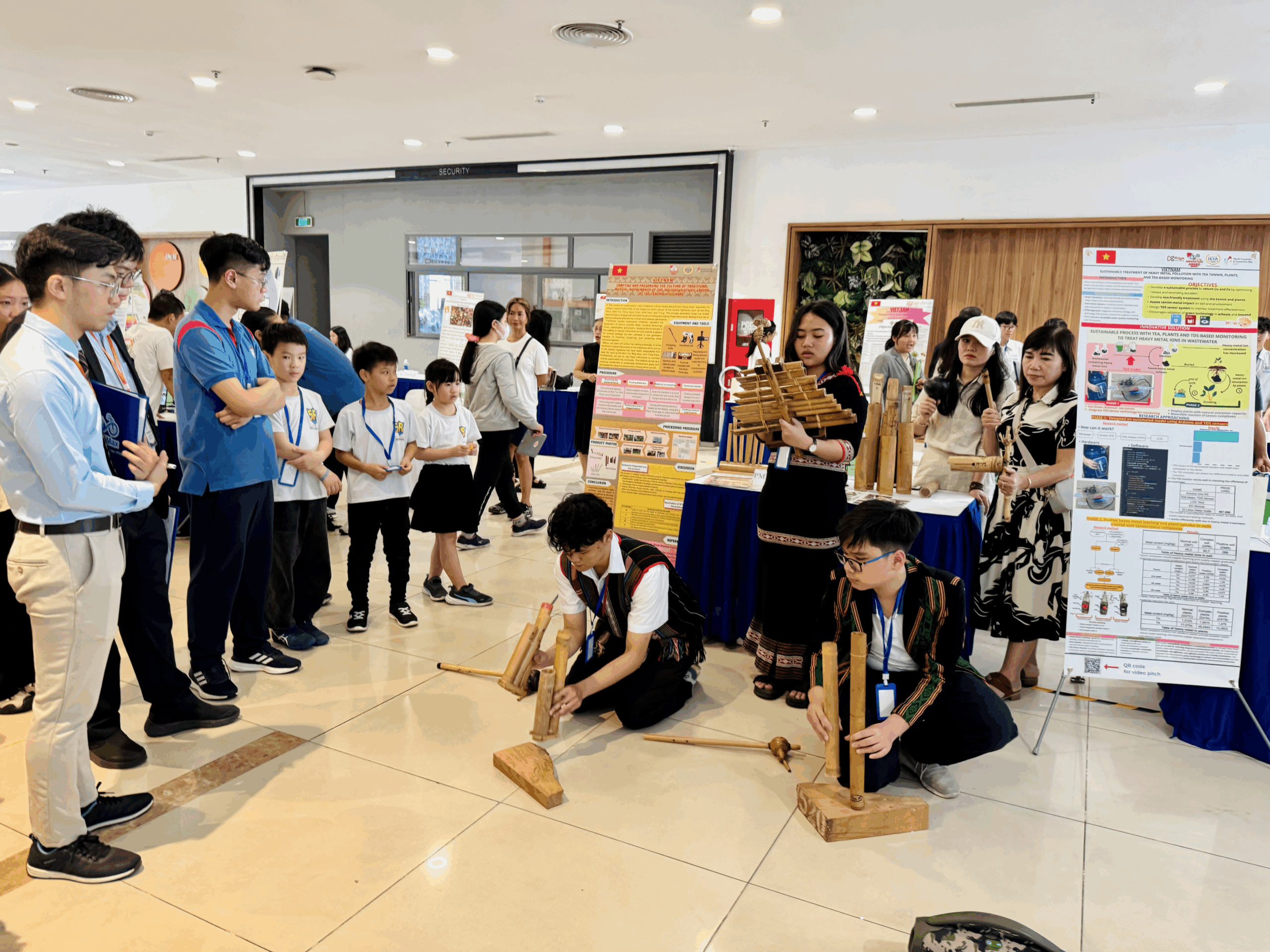
ICIA Competition

Competition Project Presentation
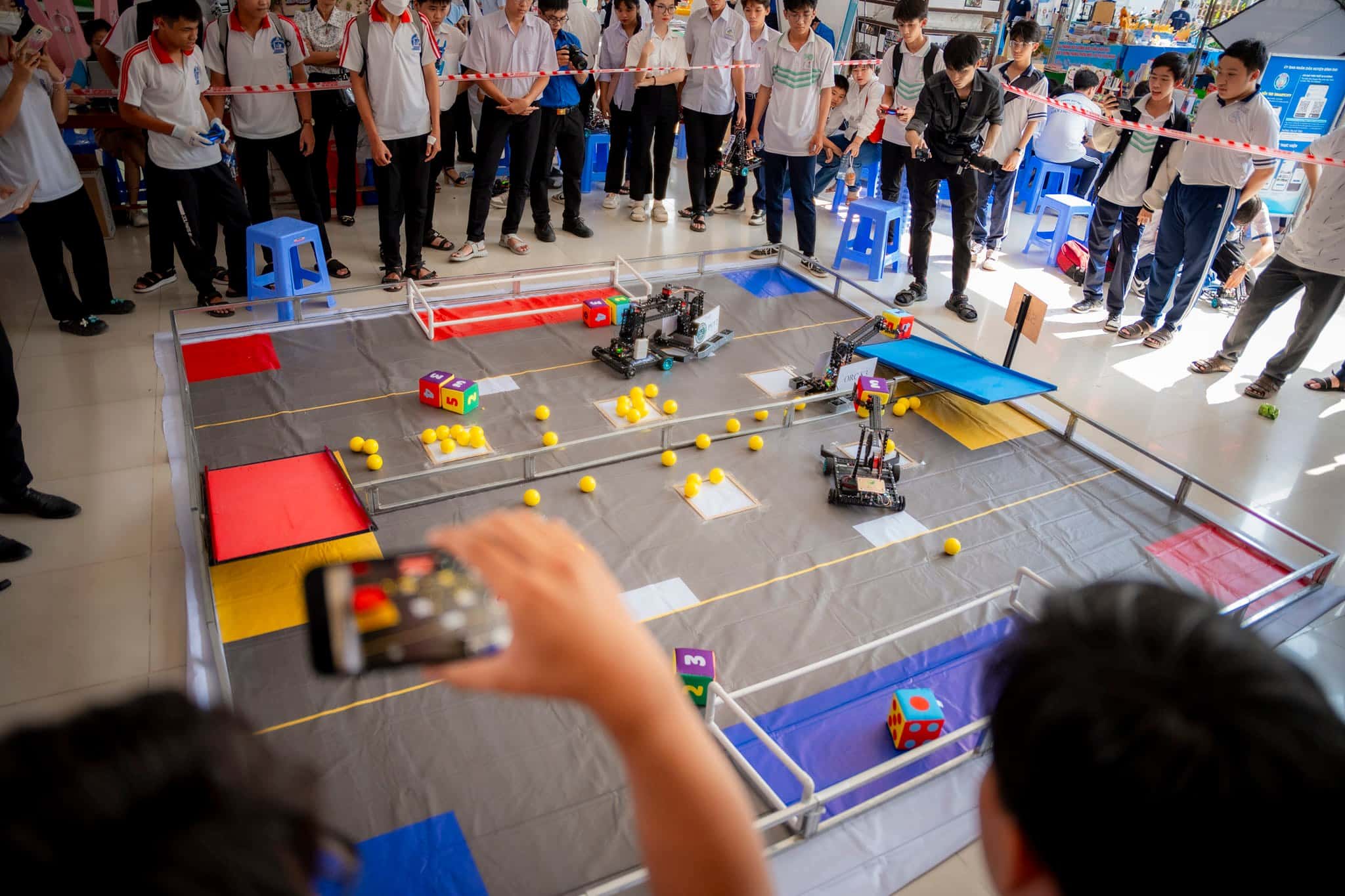
ORC - Robotic Competition
NASA Space Apps Challenge
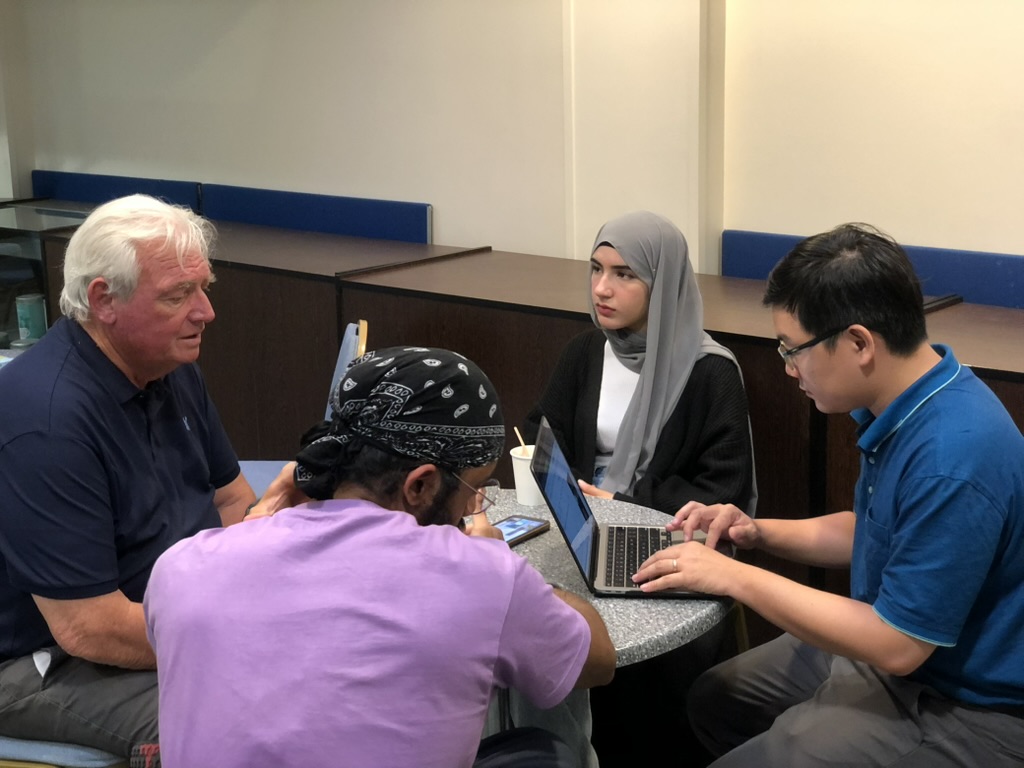

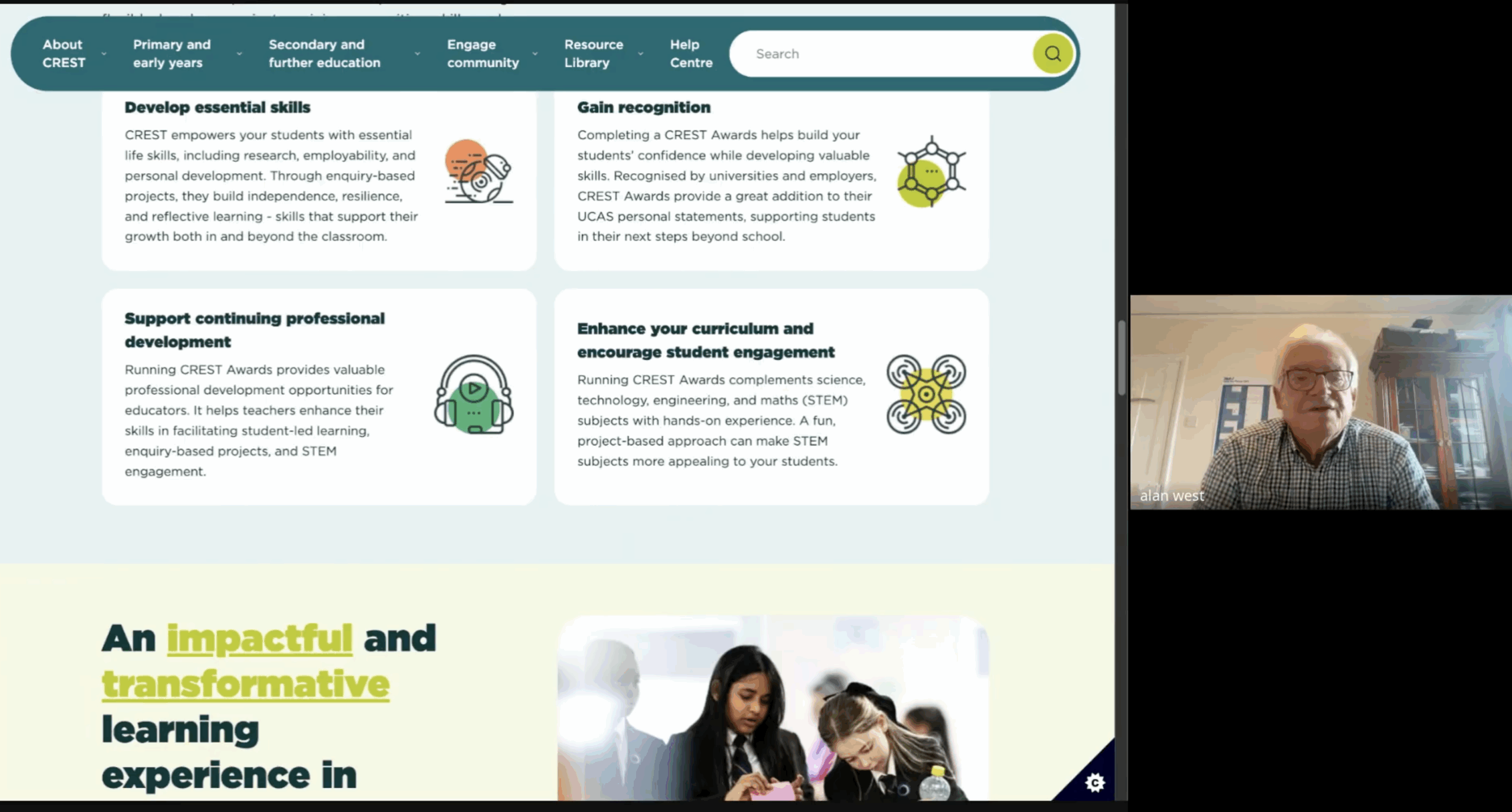
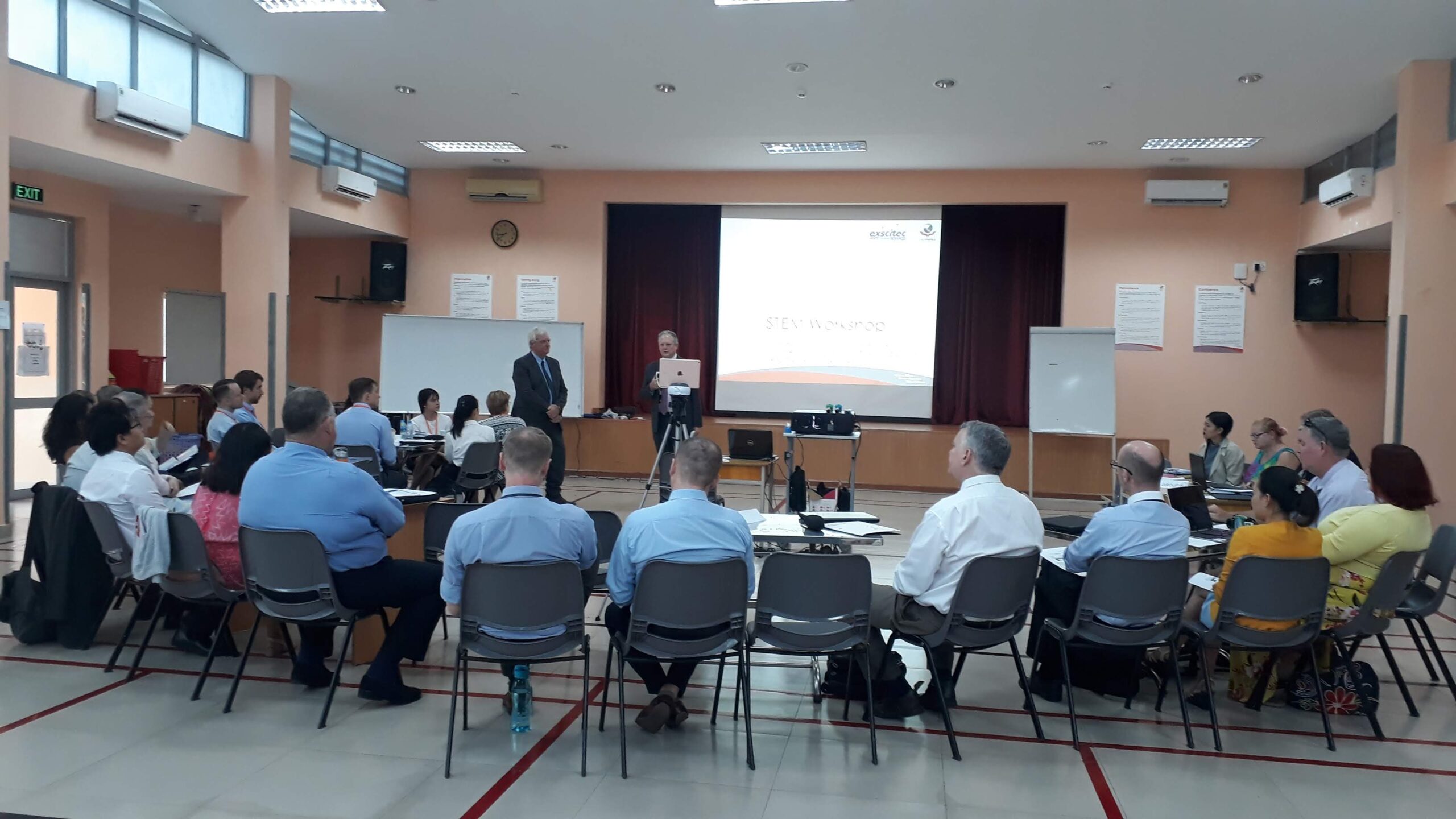
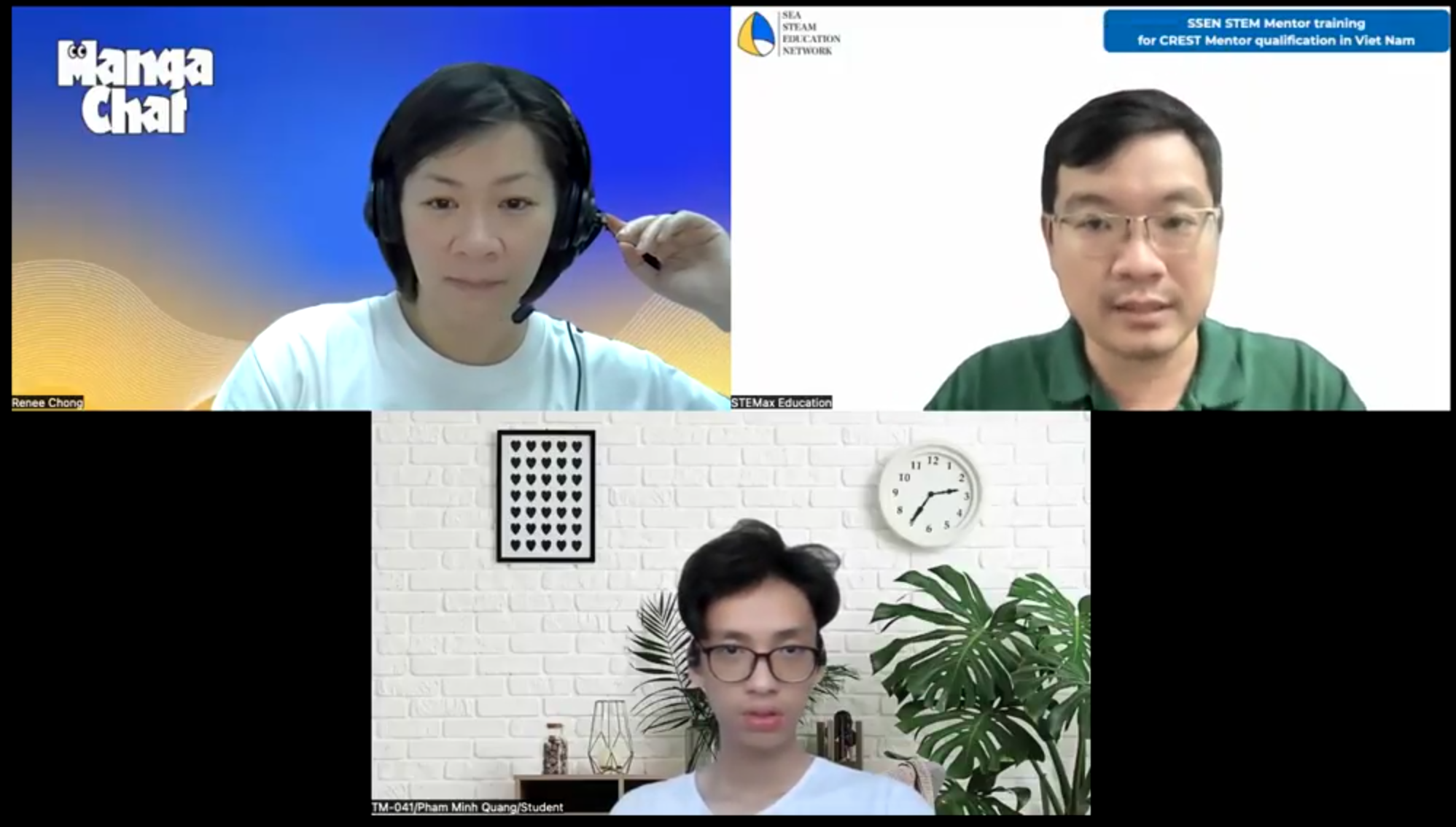
Images from SSEN STEM Mentor training programs in Vietnam and the UK.
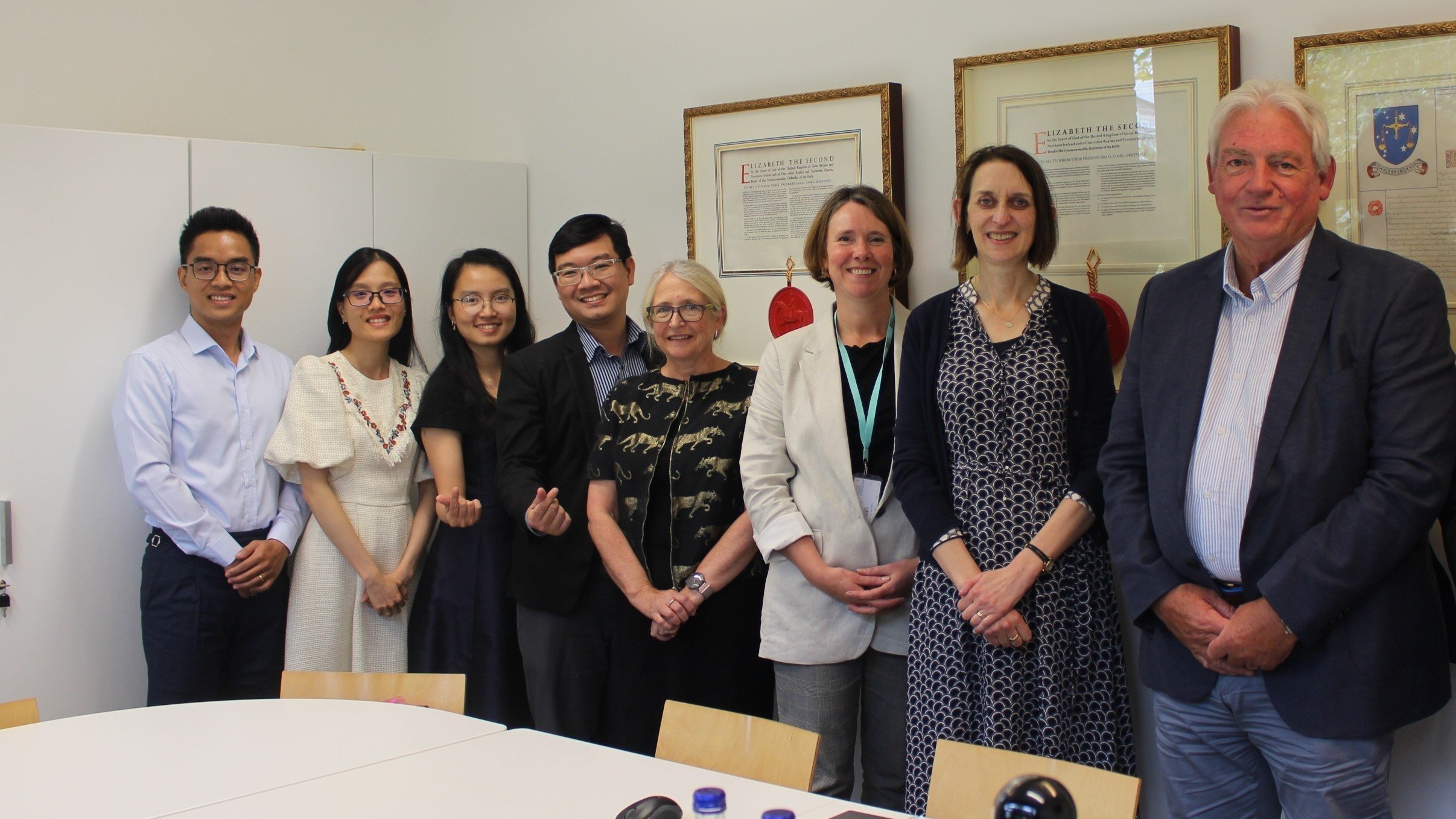
At the British Science Association
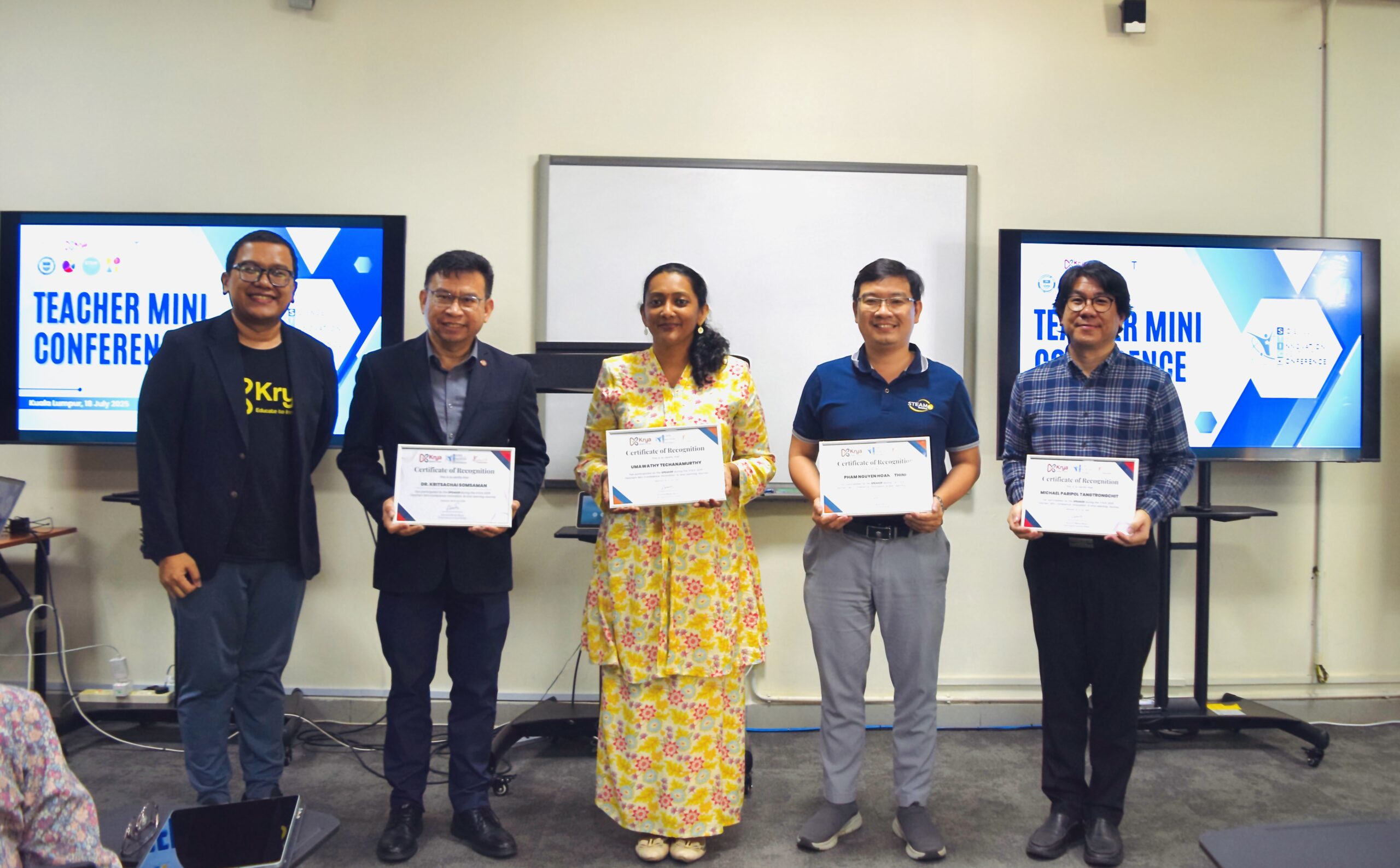
Workshop with Krya and the Director of SEAMEO STEM-ED
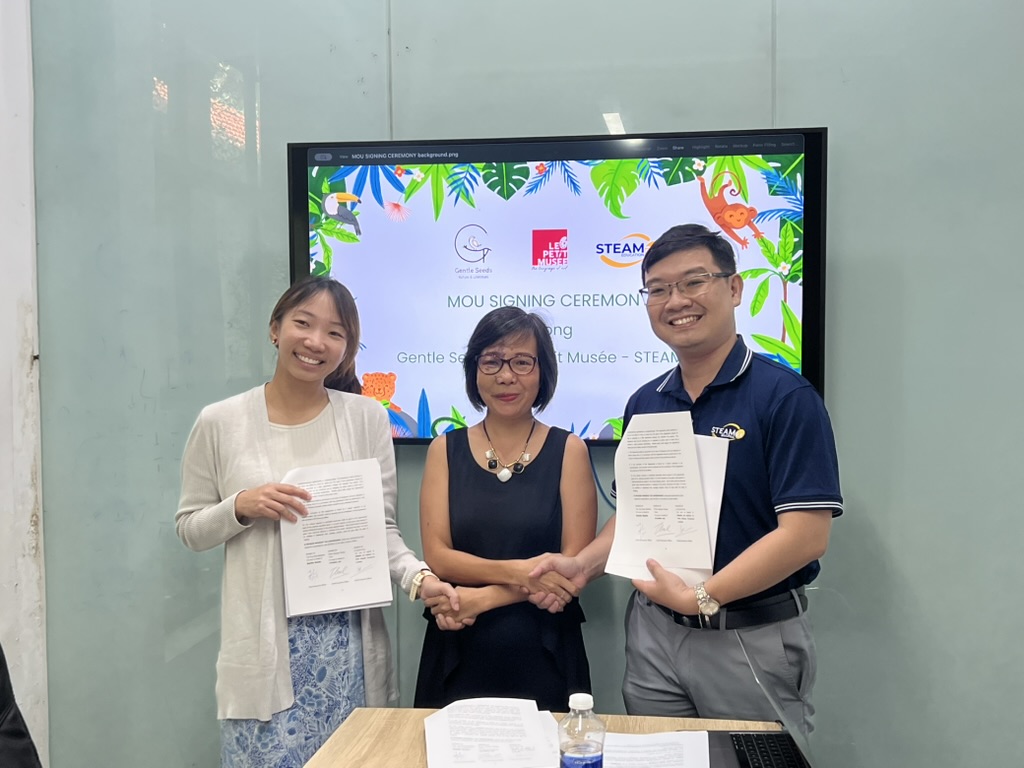
Collaboration with Singaporean Partners
vs. Cambridge Curriculum
The CREST Awards program is not merely an extracurricular activity but a powerful pedagogical framework that complements and enhances the academic rigor of international curricula like Cambridge. While Cambridge focuses on building deep subject knowledge and conceptual understanding, CREST provides the ideal platform for students to apply that knowledge in practical, self-directed projects.
| Aspect | Cambridge Curriculum | CREST Awards Program |
|---|---|---|
| Focus | Content mastery and conceptual understanding. | Application of knowledge and skill development. |
| Learning Style | Structured, teacher-guided, syllabus-driven. | Student-led, inquiry-based, process-oriented. |
| Assessment | Formal examinations (IGCSE, A-Levels). | Portfolio-based (project reports, logbooks). |
The Perfect Combination: CREST bridges the gap between "knowing" and "doing." It allows students to take the theoretical knowledge from their Cambridge studies and use it to solve real-world problems, thereby deepening their understanding and developing critical 21st-century skills that formal exams cannot measure.
vs. Australian Certificate of Education (ACE)
The CREST Awards program is more than just an extracurricular activity; it is a well-structured competency framework that can resonate with and amplify the educational goals of the ACE by positioning students as the owners of their projects, promoting interdisciplinary learning, and emphasizing creative experiences.
vs. International Baccalaureate (IB)
CREST strongly aligns with the IB philosophy. It can serve as an excellent framework for CAS (Creativity, Activity, Service) projects. Furthermore, the research and self-management skills developed through higher-level CREST projects (Silver, Gold) provide an outstanding foundation for students undertaking the Extended Essay (EE).
vs. MOET (Vietnamese National Curriculum 2018)
The CREST program directly supports the goals of the 2018 General Education Program, which emphasizes developing student competencies (năng lực) and qualities (phẩm chất). It provides a structured, internationally recognized method for implementing the project-based and experiential learning activities that the new curriculum requires.
ABOUT STEAMAX
STEAMAX's capabilities are built on a solid foundation of professional expertise, recognized achievements, and a network of prestigious strategic partners worldwide.
Management & Professional Team
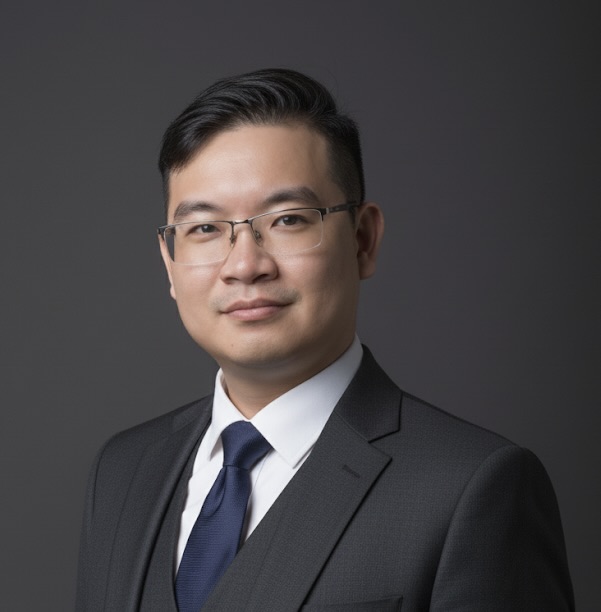
CREST program expert with 9 years of experience, secretariat member of the Southeast Asia STEAM Education Network (SSEN).

Digital Transformation & Data Digitization Expert, MBA (UEH), with experience in over 20 large-scale digitization projects.
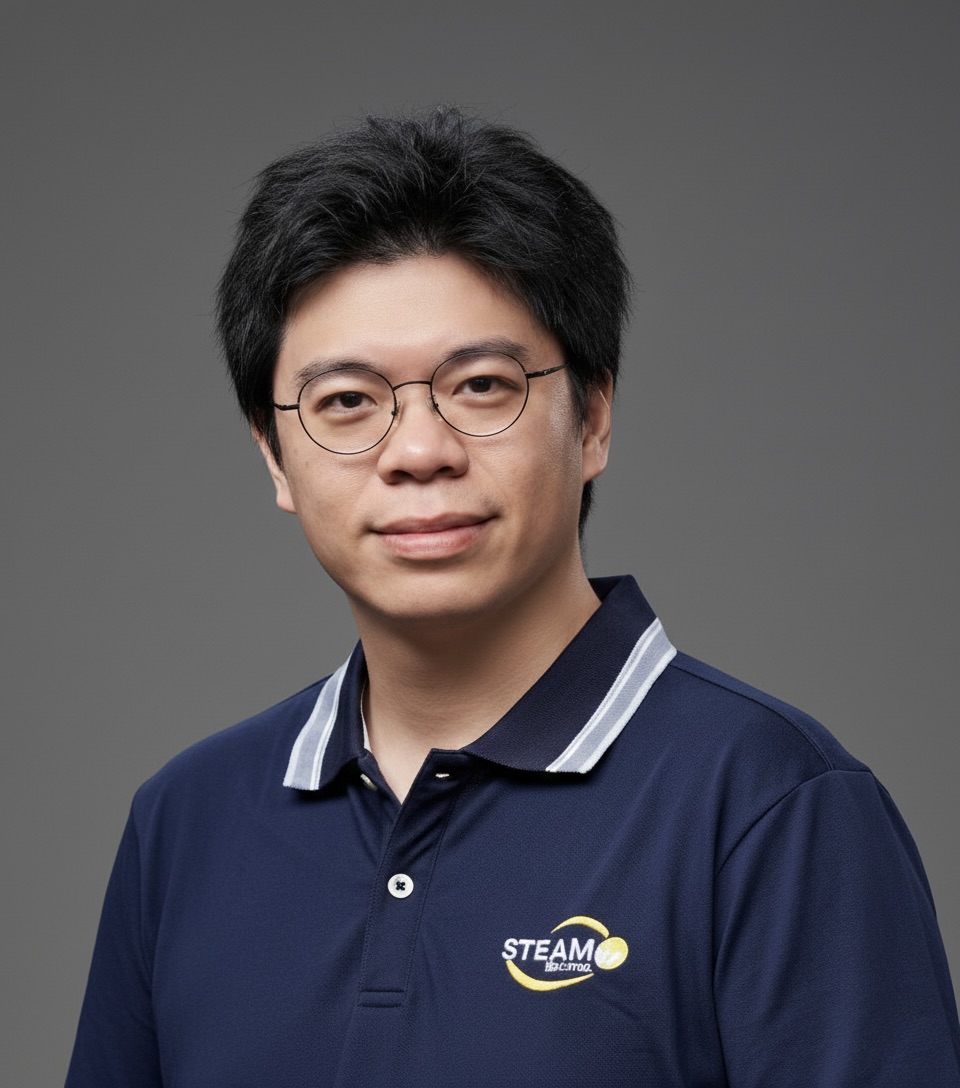
Lecturer at the Faculty of Physics, VNU-HCMUS, an R&D expert in Quantum Physics and AI with numerous international publications.

Master of Physics with over 5 years of experience in teaching STEM.

Apple Professional Learning Specialist & SSEN STEM Mentor. Experienced in training teachers and implementing international-standard STEM projects throughout Asia.
International Advisors
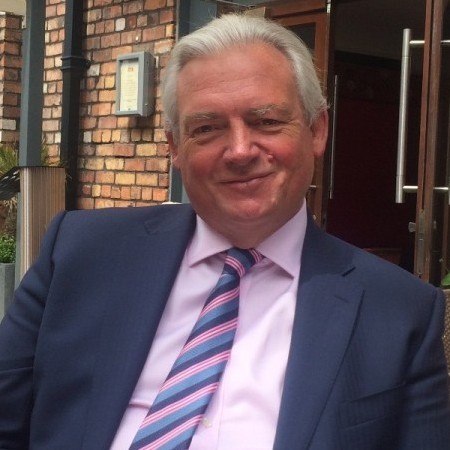
Co-founder of the CREST Awards, a STEM education expert awarded the MBE by the Queen of England.

Former leader at the Singapore Ministry of Education, expert in educational innovation and entrepreneurship.

Former Member of Parliament, expert in leadership development and international cooperation.
Capability to Implement the CREST Program
Below is a summary of STEAMAX's capability in implementing the CREST Awards certification program, one of the world's most prestigious STEM education standards.
| Core Competency | Evidence from Implementation Experience |
|---|---|
| Teacher Training and Certification | Organized the SSEN STEM Mentor training program in Vietnam, featuring international experts like Mr. Alan West MBE (founder of CREST Awards). Ensures teachers are qualified to implement the program. |
| Multi-Level Project Implementation (Cross-level) | Capable of implementing all 6 levels of CREST, from Star (ages 4-7) to Gold (ages 15-18), suitable for all student ages (Grades 1-12). STEM/STEAM projects are designed to link directly to the CREST Awards. |
| Quality Assurance and Assessment | Collaborates directly with the British Science Association and Alan West Consultant company to implement and assess the quality of CREST programs in Vietnam. Committed to ensuring projects meet international standards. |
| International Submission Support | Works alongside schools and centers to help students complete their applications to the standards of the British Science Association, maximizing their chances of receiving certification. |
| Building a Comprehensive Learning Pathway | Helps students build impressive competency profiles for studying abroad through reputable international certifications like CREST, which is recommended by the UK's university admissions system (UCAS). |
FREQUENTLY ASKED QUESTIONS (FAQ)
Yes. CREST Awards are issued by the British Science Association and are widely recognized. Universities, especially in the UK (through the UCAS system), highly value this certification as it demonstrates skills in independent research and project management, which is a significant plus for university applications.
Absolutely. The program is flexibly designed to be integrated into curricular, extracurricular, or club activities. Our STEM content is compatible with and complements most international programs (like Cambridge, IB, ACE) and the Vietnamese national curriculum, helping students consolidate knowledge and apply it in practice.
The time commitment depends on the level. SuperStar/Discovery levels require only a few hours. Bronze requires about 20 hours, Silver 60 hours, and Gold 80+ hours, often spanning several months. For teachers, we offer an in-depth "SSEN STEM Mentor" training program and provide ongoing support throughout the process.
We provide a comprehensive solution: from the curriculum framework, teachers, learning materials, and equipment to training the school's "SSEN STEM Mentor" team, mentoring advanced projects, and helping to organize science events.
We have flexible pricing packages for each program (thematic classes, CREST levels, R&D projects). The specific financial model will be discussed directly to best fit your school's operating model and budget.